


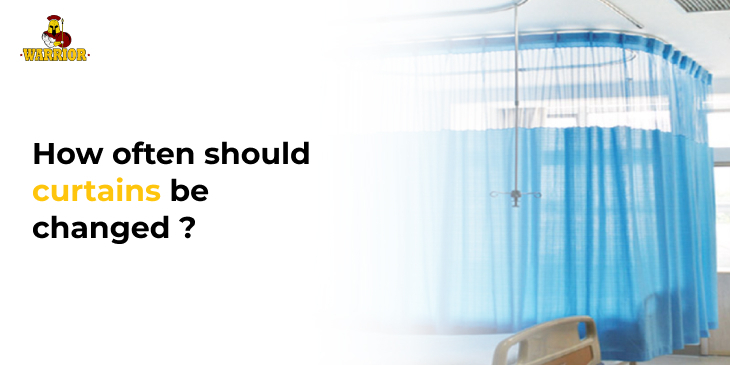
Keeping things clean where people live or receive care takes planning. Curtains might look simple, but they play a big role in hygiene and comfort. Hospitals, clinics, and even offices use both disposable curtains and reusable fabric ones to divide spaces or add privacy. Each type has its own cost, cleaning method, and lifespan.
Some curtains are thrown away after a short time, while others can be washed and used for years. So, how often should curtains be changed? How often they should be replaced depends on how much dirt, dust, and contact they get.
Before we look at how often to change them, let’s understand why curtains need changing at all and what makes them different.
Why Do Curtains Need Changing at All?
Curtains do much more than block light. They collect dust, germs, and tiny particles from the air. Over time, this buildup can affect both cleanliness and health.
- Health and hygiene: In hospitals or clinics, a curtain can hold bacteria or viruses that spread when touched. Regular changing keeps patients and staff safe.
- Air quality: Even at home, curtains trap pollen, dust, and pet hair. If someone has allergies, this can make symptoms worse.
- Odors and stains: Cooking smells, smoke, or splashes stick to fabric. Curtains near windows or kitchens get dirty faster.
- Wear and tear: Sunlight fades colors. Heavy use causes the fabric to thin or tear, especially along the curtain rail, where the fabric moves back and forth.
Keeping curtains clean saves money in the long run because it helps them last longer. Using proper rails and curtain systems also makes it easier to remove and hang them during cleaning. Hospitals often install INFUSION DERRICK RAIL or STRAIGHT RAIL tracks to quickly switch curtains without tools. These systems save time and reduce the need for extra staff.
When curtains stay in place too long, they lose their purpose. Changing them on a set schedule keeps spaces fresh, safe, and welcoming for everyone.
What Kinds of Curtains Do You Have?
Before you plan cleaning or replacement, know what kind of curtain you are working with. There are two main types: reusable and disposable.
Reusable Curtains
Reusable curtains are made from fabric designed to be washed many times. They are often treated to resist stains or microbes.
- Common materials: Polyester, cotton blends, or specially coated textiles.
- Lifespan: Usually lasts 5–10 years with regular washing.
- Cleaning: Washed in industrial machines, then dried and rehung.
- Uses: Hospitals, schools, offices, and homes.
Reusable curtains save money over time but need regular care. They must be taken down, cleaned, and rehung properly on the curtain rail and curtains assembly. Poor handling can cause rips or shrinkage.
Disposable Curtains
A disposable curtain is made for short-term use. It is lightweight, nonwoven, and easy to replace.
- Lifespan: A few weeks to a few months, depending on room type.
- Advantages: No washing needed, reduces risk of cross-contamination.
- Best for: High-risk areas like intensive care units or operating rooms.
These curtains usually slide onto rails quickly, sometimes as a STICKED CURTAIN design with hook-and-loop edges for fast removal. Because they go straight from storage to the curtain rail, they save time and reduce laundry costs. However, they add waste and need steady supply restocking.
How Clean Is Your Space?
How often curtains should be changed depends on how busy or dusty your space is. Some rooms need new curtains every few weeks. Others can go months between changes.
Let’s look at a few examples:
- High-traffic areas: Hospitals, waiting rooms, and cafeterias collect germs fast. Curtains here might need cleaning or replacement every 4–6 weeks.
- Medium-use spaces: Offices or classrooms can wait 3–6 months between washes.
- Low-use rooms: Guest rooms or meeting spaces may only need yearly cleaning.
Watch for signs that your curtains need attention:
- Stains or odors that don’t fade.
- Dust puffing out when pulled.
- Edges fraying or yellowing.
Spaces with more movement or airflow get dirty faster. A busy clinic with heavy curtain rail use will see more wear. Smooth-rolling tracks like INFUSION DERRICK RAIL systems make changing curtains easier and safer, especially when time is short.
When planning your schedule, match your curtain type to your environment. Disposable Curtains work best for short-term needs or areas where cleanliness must be constant. Reusable curtains are ideal for long-term, lower-risk spaces. Balancing both types saves money and keeps rooms safe for everyone.
How Often Should Curtains Be Changed?
How often you change your curtains depends on the type, how they’re used, and how clean your space stays. Curtains can look fine on the outside but still hold dust, bacteria, or odors that build up over time. Changing them regularly keeps the air fresh, lowers allergy risks, and helps your space look cared for.
Below is what affects how often to change both reusable and disposable curtain types, and how your environment plays a big role in that schedule.
The Basics: Everyday Use and Exposure
Think about where the curtain hangs. A hospital or clinic, for example, is very different from a quiet office or home. Each space collects different levels of dust and germs.
Here’s a simple guide:
- Busy places: Curtains near beds, waiting areas, or doorways need changing every 4–6 weeks.
- Moderate areas: Curtains in offices, classrooms, or bedrooms can last 3–6 months before cleaning or replacement.
- Low-use rooms: Guest rooms or storage areas may only need new curtains once or twice a year.
Even if a curtain still looks clean, it may hold invisible particles from the air. When sunlight hits fabric, it can also weaken the threads and fade colors. That’s a good sign it’s time for a change.
Reusable Curtains: Clean, Dry, Rehang
Reusable curtains are made to last. They’re often part of larger rails and curtains systems, especially in hospitals or commercial buildings. These curtains can be removed, washed, and put back into place.
Cleaning Frequency
- Every 3 months: For high-traffic or high-touch areas like hospitals or cafeterias.
- Every 6 months: For general spaces like bedrooms or offices.
- Every 12 months: For low-use areas or decorative curtains that aren’t touched often.
Tips for Maintaining Reusable Curtains
- Always check the care label before washing. Some fabrics shrink or lose shape in hot water.
- Use a gentle detergent and let them dry completely before hanging again.
- Inspect for fading, fraying, or loose hems before putting them back.
Reusable curtains can last 5 to 10 years with the right care. But if you see stains that won’t come out or fabric that feels stiff even after washing, it’s time for a replacement.
Disposable Curtains: A Quick and Clean Option
In healthcare settings, Disposable Curtains are becoming more popular. They’re made from lightweight, nonwoven material that gets replaced instead of washed. This saves time and reduces the risk of spreading germs through fabric handling.
Replacement Schedule
- Every 4–8 weeks: For patient care or treatment rooms.
- Immediately: If visibly dirty, torn, or contaminated.
- After every patient discharge: In high-risk areas like isolation or surgery units.
Disposable curtains often slide easily onto a curtain rail system designed for quick changes. These rails use clips or gliders that let staff remove and replace curtains without ladders or special tools.
While they create more waste, they lower infection risks in busy environments. Facilities balance this by using recyclable options or biodegradable materials when possible.
The Role of Rails and Hardware
A good curtain system makes changing easy and safe. Hospitals and schools often use sturdy curtain rail and curtain setups that support frequent movement.
Common examples include:
- Ceiling tracks: For privacy curtains in medical rooms.
- Wall-mounted rails: For smaller office or classroom spaces.
- INFUSION DERRICK RAIL: Used in healthcare areas to hang curtains around beds or treatment stations. It’s strong, smooth, and helps maintain hygiene standards.
If the rail sticks or makes noise when moved, it’s time for cleaning or a small adjustment. Dust and debris can clog the track, making it hard to slide the curtain smoothly. Regularly wiping down the rails prevents buildup and extends their life.
Environmental Conditions Matter
The cleanliness of your space affects how fast curtains get dirty. For instance:
- Humidity: Moist air leads to mildew and odors.
- Sun exposure: Too much sunlight fades colors and weakens fabric.
- Air quality: Dusty or smoky air clings to curtains faster.
Simple fixes can help—open windows for airflow, vacuum around curtains, and wipe nearby surfaces often. Using foam wall padding in gyms or play areas also helps absorb impact and reduce dust spread, which means your curtains stay cleaner for longer.
Signs It’s Time to Change
Don’t wait until curtains look bad to change them. Watch for these signs:
- Strong odors, even after cleaning.
- Visible dust or discoloration.
- Fabric that feels stiff or sticky.
- Torn seams or fading from sunlight.
- Hard movement along the track or clips.
When any of these show up, replacing or cleaning the curtain keeps your environment healthy and pleasant.
Balancing Cost and Cleanliness
Changing curtains too often can waste resources, but ignoring them creates hygiene problems. The best plan fits both your budget and the cleanliness level you need.
For example:
- A hospital might need hospital-specific disposable curtains and replace them monthly.
- A small clinic could wash reusable ones quarterly.
- An office might schedule annual deep cleans.
Reusable curtains cost more upfront but save money over time. Disposable curtains cost less per piece but require steady replacement. Combining both—using reusable in low-risk areas and disposable in high-risk ones—often gives the best balance.
Easy Maintenance Tips
You can extend curtain life and reduce how often replacements are needed by following a few habits:
- Weekly: Vacuum or gently shake curtains to remove dust.
- Monthly: Spot clean any marks or stains.
- Every change: Wipe down rails and clips before rehanging.
- Every season: Check fabric strength, seams, and hooks.
Simple actions like these reduce wear and keep curtains looking professional.
Planning a Curtain Change Schedule
Every building benefits from a clear schedule. A good plan includes:
- The type of curtain and material.
- The area where it’s used (high or low traffic).
- The cleaning or replacement date.
- Who is responsible for changing or cleaning?
Many facilities post this schedule near storage or laundry areas. It helps everyone know when curtains were last replaced and when they’ll be changed again.
Keep It Fresh, Keep It Safe
Changing curtains on time keeps your environment clean, professional, and healthy. Think of it as part of basic maintenance—like cleaning floors or wiping surfaces.
Reusable curtains need washing several times a year. Disposable curtains get replaced every month or after heavy use. Using strong and smooth rail systems makes the process quick and safe.
When the curtain hangs cleanly, slides easily, and looks fresh, the space feels better for everyone—staff, patients, and guests alike. A small task like this makes a big difference in comfort and hygiene!
Conclusion
Changing and caring for curtains helps maintain clean, healthy spaces. Understanding how long each type lasts makes it easier to plan budgets and cleaning routines. Both disposable curtains and reusable ones have a place depending on how your area is used.
For reliable, high-quality curtain systems and replacement parts, explore WarriorWPS — your partner in keeping environments clean, safe, and cost-effective.
Frequently Asked Questions
How often should reusable curtains be washed?
Every 3–6 months, depending on room use and exposure to dust or germs.
Do disposable curtains cost more over time?
They can, especially in large facilities, but they save on laundry and labor costs.
What is the best way to clean a curtain rail?
Wipe with a damp cloth and mild cleaner during every curtain change to remove dust buildup.
Can disposable curtains be recycled?
Some are made from recyclable materials, but always check local waste rules.
How do I know when to replace a curtain?
Replace when it shows stains, fading, or tears, or if it no longer hangs smoothly on the rail.