


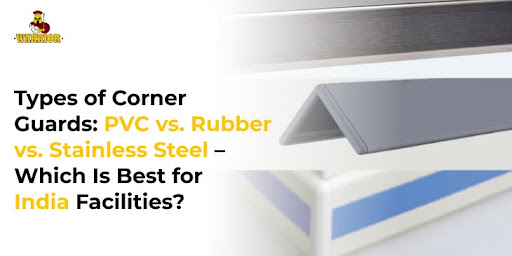
Corners take hits before anything else. Carts turn fast. Trolleys scrape walls. Stretchers bump edges in tight halls. Over time, these small hits turn into broken plaster and peeling paint. Once damage starts, it spreads. A cracked corner soon becomes a loose edge. Then comes dust, stains, and repeat repairs.
In many Indian buildings, movement never really stops. Hospitals run day and night. Malls stay busy on weekends. Factories move goods from morning to late shifts. Corners face this pressure every single day, often without any real protection.
Here is a simple fact. India has over 69,000 hospitals, and most operate with constant movement of beds and equipment. That level of use wears down walls faster than paint can handle.
This leads to a clear choice point. Protect corners early, or keep fixing the same damage again and again. That choice begins with understanding materials.
Key Takeaways
There is no single best option for every building. The right choice depends on traffic, cleaning needs, and impact strength. PVC works well in clean indoor spaces. Rubber handles heavy hits. Stainless steel fits places that need strong hygiene and long life.
When the material matches the space, walls stay clean longer. Repairs slow down. Maintenance teams get breathing room.
| Area Type | Best Material | Why It Works |
| Hospitals & Clinics | PVC | Easy to clean and absorbs daily hits |
| Parking & Loading Areas | Rubber | Handles strong impact |
| Kitchens & Labs | Stainless Steel | High hygiene and durability |
| Offices & Schools | PVC | Clean look with protection |
| Factories | Rubber or Steel | Depends on impact level |
Why corners get damaged so often in Indian buildings
Corners stand where movement converges. People turn. Equipment changes direction. Wheels clip edges at the same height again and again. Over time, even strong walls break down at these points.
In India, several local factors increase this damage.
High building use plays a big role. Many facilities serve more people than they were first designed for. Corridors feel tighter. Turns feel sharper. Corners take the blame.
Other common causes include:
- Constant rolling equipment
Hospital beds, food carts, and stock trolleys strike corners repeatedly. - Wet cleaning methods
Daily mopping weakens exposed plaster edges. - Quick repaint cycles
Paint hides cracks but does not stop future impact. - Mixed wall materials
Plaster and drywall fail faster at edges without support.
This is why wall edge protection matters. It creates a buffer zone. The hit goes to the guard, not the wall. Over time, that protection saves labor, materials, and money.
How building use changes the right corner guard choice
A corner guard must match how the space works. When it does not, failure comes fast.
Take a hospital corridor. Movement stays steady. Impact stays moderate. Cleanliness matters every hour. This is why PVC corner guards fit well here. They protect walls while keeping a clean look.
Now compare that to a parking area. Cars turn tight. Bikes brush walls. Trolleys carry heavy loads. PVC may crack here. Rubber performs better because it absorbs force.
Different spaces demand different strengths:
- Public areas
Appearance and easy cleaning matter. - Service zones
Durability comes first. - Food areas
Hygiene and wash-down resistance lead. - Factories
Protection depends on machine movement.
Facilities that plan material use by zone see better results. This approach works especially well for large properties using varied industrial corner guard types across one site.
What facility managers usually ask before choosing
Facility managers think in terms of daily work. They look past brand names and focus on results.
They often start with impact. How hard is the hit? How often does it happen? Answers here narrow the material choice quickly.
Then comes cleaning. Smooth surfaces reduce effort. Textured surfaces trap dirt. In high-use buildings, cleaning speed matters.
Cost also comes up, but not just purchase price. Managers consider replacement time, repair labor, and downtime.
Key questions include:
- Will it crack or dent over time?
- Can staff clean it quickly?
- Does it fit the wall type?
- Will it stay fixed under impact?
These questions often guide teams toward choosing the right PVC corner guards for indoor spaces and tougher options for service areas. Good choices reduce stress across maintenance teams.
Choosing the right corner guard material for Indian facilities
Choosing materials becomes easier when needs are clear. Climate, traffic, and cleaning habits all shape the decision.
Indian facilities often deal with dust, moisture, and heavy use. Materials must handle all three.
PVC corner guards
PVC works best where impact stays steady but controlled.
They suit long corridors and public-facing spaces. Their smooth finish supports hygiene. Color options help blend protection into interiors.
They are widely used across healthcare and education because they balance function and appearance. For many indoor zones, corner guards in India start with PVC.
Rubber corner guards
Rubber works best where force is high and looks matter less.
It compresses under impact. This reduces wall stress. In parking and loading areas, this feature protects concrete edges well.
Rubber also handles temperature changes better in open structures. That makes it useful in basements and outdoor-adjacent areas.
Stainless steel corner guards
Steel focuses on cleanliness and durability.
In kitchens and labs, frequent washing destroys weak materials. Steel holds up. It stays smooth. It resists rust when the right grade is used.
Stainless steel corner guards suit places where failure causes hygiene issues or safety risks. They often last the longest when installed correctly.
Comparing materials side by side
Each material solves a different problem.
- PVC balances protection and appearance.
- Rubber absorbs strong force.
- Steel supports hygiene and long-term use.
Using one type everywhere often fails. Smart facilities mix materials to fit each zone.
How to decide what is best for your facility
Start with a walkthrough. Watch traffic flow. Notice where damage already exists. These spots guide protection planning.
Next, group areas by use. Public, service, food, and industrial zones need different solutions.
Then review fixing methods. Adhesive works for light impact. Mechanical fixing suits heavy zones.
Finally, think long term. Fewer replacements mean fewer disruptions. Strong wall edge protection supports smoother operations year after year.
Good decisions come from matching real use to real material strengths.
Conclusion
Corners fail quietly at first. Then damage spreads. Choosing the right guard stops that cycle early. PVC, rubber, and steel each serve a clear purpose. When used wisely, they protect walls and reduce constant repair work.
If you want reliable solutions for corner guards in India, Warrior WPS offers options designed for real facility conditions.
Frequently Asked Questions
1. How long do corner guards usually last?
Lifespan depends on material and impact level. PVC can last several years indoors. Rubber lasts long in parking areas. Stainless steel often lasts the longest, especially in kitchens and labs with frequent cleaning.
2. Can corner guards be installed on old walls?
Yes. Most guards work on painted, tiled, or concrete walls. Surface preparation matters. Clean and dry walls help adhesive bonds. Mechanical fixing works better for uneven or damaged surfaces.
3. Do corner guards affect wall cleaning time?
Good designs reduce cleaning time. Smooth PVC and steel wipe clean quickly. Rubber may need extra effort in dusty or oily areas. Choosing the right finish improves daily maintenance.
4. Are corner guards safe for hospital use?
Yes. Many hospitals use PVC or stainless steel guards. They support hygiene, reduce wall damage, and improve safety in busy corridors with beds and carts.
5. Should the same corner guard be used everywhere?
No. Different zones need different protection. Using one type across all areas often leads to early damage or higher costs. Matching material to use gives better results.