

Heat shapes daily life in Oman, and it also shapes how floors behave in busy industrial spaces. Some factory floors can climb past 50°C on a hot day, which makes weak materials crack or peel. This helps explain why material choice matters so much for long-term strength in large facilities.
When a floor handles heavy work, it deserves careful attention. The right choice helps teams move with confidence and keeps daily tasks running without stress or damage. Good planning also prevents early repairs, which saves money and time.
Key Takeaways
To choose the best material for floor protection in Oman, match the heat level, daily work load, and chemical use to a strong product that can handle it. Pick materials with tough surfaces, strong bonding, and easy cleaning. Test how they hold up under heavy equipment and how quickly they install. A short checklist helps you select with clarity.
| Point | What It Means |
| Climate matters | Heat, sand, and moisture change how materials perform. |
| Work pressure counts | Heavy machines and spills require stronger options. |
| Ask simple questions | What spills happen? How much weight? How fast install? |
| Test materials | Look for strength, bonding, and surface durability. |
| Choose for the site | Match needs to the right texture, thickness, and design. |
Why Oman’s Climate Matters for Floor Protection
Oman’s climate creates real pressure on any surface that sees long hours and heavy loads. Hot days push the temperature of floors far beyond what many materials can handle. When that happens, coatings soften or pull away from the concrete. Sand from coastal winds adds another layer of stress. It scratches surfaces and slowly wears them down. These small issues grow fast in a busy workplace.
Strong floor protection resists these changes and holds firm through the seasons. When you understand the climate, you can choose better products and avoid early failures. Think about each factor and how it affects day-to-day work.
Key Climate Factors
- Heat: Prolonged high temperatures place stress on coatings, tiles, mats, and adhesives.
- Humidity: Coastal sites may see moisture under floors, which weakens bonds.
- Sand: Wind-driven sand works like small grains that grind through soft surfaces.
- Sun exposure: Outdoor yards need UV-friendly options to stay stable.
What to Look For
- Products with strong bonding strength
- Materials rated for high thermal movement
- UV-stable choices for outdoor sites
- Surface textures that stay firm under heat
You may also consider simple add-on tools that help workers stay steady in warm conditions, such as anti-fatigue mats, which reduce stress on legs during long shifts. Floors near entrances or wet zones may use rubber hollow mats for grip and easy drainage.
Other helpful products—PVC flooring mats, button sheets, recycled rubber pavers, recycled rubber tiles, and rubber sheets—each handle heat and sand in different ways. The best fit depends on how each zone operates and how often people or machines move across it.
What Industrial Work Does to Floors
Busy facilities place huge pressure on every square meter of the floor. Forklifts roll across the same path again and again. Heavy pallets drop with force. Liquids spill during production. Each action shapes how long a floor survives. Strong industrial floor protection helps reduce daily wear and limits costly repairs.
Common Pressures
- Heavy loads: Forklifts, trucks, and stacked supplies create strong downward force.
- Impact: Dropped tools or metal parts strike the floor and test its floor impact resistance.
- Chemicals: Oils, cleaners, and solvents weaken unprotected surfaces.
- Traffic patterns: Repeated motion cuts small paths into weak coatings.
- Moisture: Washdowns, leaks, or cleaning water slip under surfaces.
When floors weaken, workers feel it too. Uneven or cracked surfaces slow movement and increase risk. That is why strong floor safety solutions help keep people safe and keep warehouses running smoothly every day.
Practical Results of Heavy Work
- Faster surface wear
- Dull or damaged texture
- Loose coating edges
- Small cracks that spread under weight
- Early replacement or repairs
These problems grow in large storage areas. Strong warehouse floor protection helps reduce downtime and keeps operations steady.
Questions to Ask Before You Pick a Material
Every site is different. A food plant, a port yard, and a machine shop each demand specific qualities from their floor. Before choosing a product, ask a few simple questions. These answers guide the next step and help you match the right strength to the right task.
Key Questions
- What daily work happens on this floor?
- Light walking? Heavy forklifts? Sharp tools?
- What spills are common?
- Water? Oil? Chemicals?
- How much weight does the floor hold?
- Small carts or loaded pallets?
- How soon must the space reopen?
- Same day? Next day? Next week?
- How often do you clean the area?
- Quick sweep or full washdown?
- Is the area indoor or outdoor?
- Sunlight and moisture change the material you need.
- Do workers stand for long periods?
- If so, add items like anti-fatigue mats to support comfort and reduce stress.
Why These Questions Matter
- They point you to materials that match real needs.
- They help you avoid coatings or mats that fail too quickly.
- They help you balance cost, strength, and installation time.
Once these questions are clear, you can look at the choices with confidence and avoid guessing.
How to Select the Right Floor Protection for Industrial Use in Oman
Choosing strong floor protection in Oman becomes easier when you break the decision into steps. Each site has its own demands, and each material offers its own strengths. The goal is to match performance with the conditions of your facility. With clear planning, you reduce repairs, improve worker comfort, and create a smoother workflow every day.
Step 1: Understand the Work Zone
Before you look at any product, walk through the area and observe how people and machines move. Floors near machines need strong surfaces. Floors near water need drainage or slip-resistant textures. Floors in storage aisles need smooth paths for forklifts.
Consider:
- Heavy traffic lines
- Wet zones
- Chemical areas
- Outdoor yards
- Entry paths with sand buildup
Good industrial floor protection starts with understanding the spot you want to protect.
Step 2: Match Material Strength to Real Needs
Each material has a purpose. Some resist heat well. Some support heavy loads. Others clean quickly and stay bright for years. Instead of picking the strongest product on paper, pick the product that meets the specific need of that zone.
Common Material Types
Rubber Options
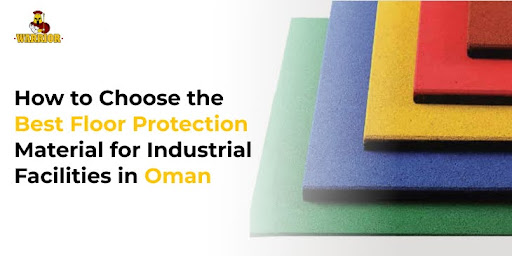
Rubber works well in many areas because it handles heat and movement with ease. Flexible products such as rubber sheets, recycled rubber pavers, recycled rubber tiles, and rubber hollow mats help absorb impact, add grip, and reduce noise. These materials work well in entry points, workstations, ramps, small shop areas, and places where workers stand for long periods.
Rubber also handles dust and sand better than many hard surfaces, making it valuable in coastal or outdoor settings. It helps reduce slips and softens the blow when tools fall.
PVC Options
PVC flooring mats and button sheets are popular in wet or oily zones because they offer texture, drainage, and durability. They are easy to clean and simple to move if the layout changes. PVC also resists chemicals, which makes it useful in production lines and plant rooms.
Strong Surface Mats
Some areas need sturdy coverage that can survive tools, pallets, or frequent cart movement. Heavy-duty mats stay in place and give workers a safe, predictable path.
Step 3: Focus on Safety and Comfort
A safe work area builds trust among workers. Good floor safety solutions support steady steps, reduce slips, and help teams move with confidence.
Look for:
- Firm grip texture
- Proper drainage
- Visibility in low light
- Clear edges and seams
- Noise reduction
- Comfort for long standing periods
Even small choices, like placing anti-fatigue mats in work zones, can reduce daily strain and improve mood.
Step 4: Check Resistance Levels
Strong floors must survive more than heavy steps. They also face oils, dropped tools, and repeated force. Materials with strong floor impact resistance avoid deep dents and cracks.
Test for:
- Impact strength
- Moisture protection
- Chemical resistance
- Heat tolerance
- Bond strength
Always match these features to the real conditions in your facility.
Step 5: Plan for Easy Cleaning
A material that cleans quickly helps teams save time. Smooth textures work well in warehouses. Drainage mats work well in wet rooms. Hard rubber cleans easily with simple tools.
Consider:
- Daily cleaning time
- Tools needed for cleaning
- Slip risk when wet
- Stain resistance
Good cleaning habits extend the life of your floor protection and keep the environment safe for everyone.
Step 6: Choose for Long-Term Value
The lowest price on day one may not stay low after repairs. Stronger materials that hold up under heat, sand, and weight often save money long-term. Look for tested materials and clear installation guides.
Once installed, solid warehouse floor protection supports daily operations without frequent downtime.
Step 7: Work With a Trusted Supplier
Quality materials paired with clear support help you make better decisions. Look for suppliers who understand local climate and common work challenges in Oman. Ask for installation advice, cleaning tips, and replacement options. When teams know your site type and work load, they can guide you to better choices.
Step 8: Final Matching Checklist
Use this quick list to narrow down your choice:
- Heat rating fits your location
- Surface handles sand and outdoor conditions
- Material supports full work load
- Cleaning fits your schedule
- Strong slip resistance in wet areas
- Good long-term cost
- Safe for workers
- Easy to install and replace
With this path, you can choose industrial floor protection that fits your site and stays strong through tough conditions.
Conclusion
Strong floor protection in Oman begins with simple steps: understand the climate, study the work load, and match the right material to each zone. When a floor holds up year after year, the entire facility runs smoother. Good planning now protects workers, saves time, and strengthens every part of daily operations.
If you want help choosing dependable options, reach out to Warrior WPS for support and guidance.
Frequently Asked Questions
What is the best type of floor protection for hot industrial areas?
Hot areas need materials that do not soften or peel under high temperatures. Rubber-based and strong PVC options work well because they stay steady and resist heat. Coated surfaces also help outdoors if they include UV protection. Always match heat rating to the highest expected temperature in your work zone.
Can floor mats reduce worker fatigue in large facilities?
Yes. Mats designed for support help reduce leg strain and keep workers steady during long shifts. They add comfort during standing tasks and help prevent small slips. Use these mats in areas with long production cycles, packing tasks, or stations where workers stay in one spot for long periods.
Do rubber floors handle chemical spills?
Rubber handles many types of spills, but not all. Light oils and cleaning liquids clean off easily, while strong industrial chemicals may need more protection. Check the product sheet for chemical resistance. Use stronger coatings or PVC-based surfaces in zones with frequent chemical use.
How often should industrial floors be inspected?
A simple inspection once a month helps catch early damage. Look for loose edges, worn spots, cracks, and stains. Areas with heavy machinery may need weekly checks. Early repairs prevent large failures and help keep workers safe. Record each check so you can track changes over time.
Do outdoor loading areas need different floor protection?
Yes. Outdoor floors face sunlight, sand, and frequent temperature swings. Choose UV-stable materials and surfaces that stay firm under heat. Rubber and textured PVC options work well near loading docks. Hard surfaces may need added coatings or mats to avoid early wear from sand and equipment.