


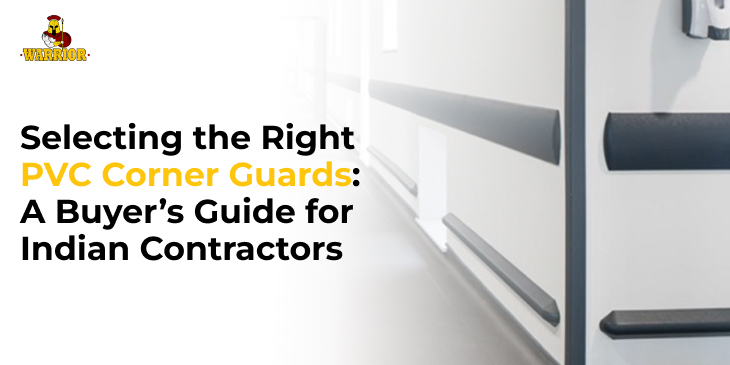
If you’ve worked on building sites across India, you already know how easily walls get chipped and corners get damaged.
Busy hallways, moving furniture, and heavy foot traffic can all take a toll. This is where corner guards enter the picture. These simple products help protect your walls and corners from everyday damage.
But not all corner guards are the same. Some are better suited for hospitals, while others work well in schools or factories.
Choosing the right type can make a big difference in how long your walls stay protected—and how professional your project looks in the end.
This guide explains everything you need to know. You’ll learn what PVC corner guards are, why they’re a smart choice in Indian settings, what to look for when buying them, and the common mistakes to avoid.
What Are PVC Corner Guards and Where Are They Used?
PVC corner guards are protective strips made from a type of plastic called polyvinyl chloride (PVC). They are used to cover and shield wall corners from damage. You usually stick or screw them onto the edges where two walls meet at a 90-degree angle.
These are often used in:
- Hospitals and clinics – where stretchers, beds, and wheelchairs move around a lot.
- Schools and offices – places with lots of foot traffic and busy hallways.
- Warehouses and factories – where trolleys or equipment might hit the walls.
- Homes and apartments – especially in kitchens, living rooms, and staircases.
You’ll find corner protectors in different colors, sizes, and finishes. Some match the paint on your wall. Others stand out to signal safety zones. They’re also available in soft or hard finishes depending on how much impact protection is needed.
People sometimes call them by other names like corner bumper protector, wall corner guard PVC, or even plastic edge protector. But they all do the same job—wall and corner protection that keeps things looking clean and damage-free.
Why Are PVC Corner Guards Preferred in Indian Conditions?
India’s weather and construction styles can be tough on buildings. That’s why PVC corner protectors are a popular choice here. Let’s look at a few reasons why:
1. They Handle Heat and Humidity Well
PVC doesn’t rust like metal. It holds up well in humid areas like Mumbai or Chennai, and it doesn’t crack easily in dry heat like in Delhi or Jaipur. That means less repair work over time.
2. They’re Easy to Clean
Dust and grime are common problems in Indian cities. PVC is smooth and wipeable. A simple cloth and mild cleaner can make it look new again.
3. They’re Lightweight and Simple to Install
Most guard corner products are easy to put up with adhesive tape or a few screws. Contractors don’t need fancy tools or extra labor.
4. They’re Budget-Friendly
PVC is more affordable than stainless steel or aluminum. For large projects—like apartment blocks or commercial buildings—that matters a lot.
5. They’re Available Locally
Many Indian suppliers keep a variety of corner guard pvc options in stock. You can get fast delivery, custom colors, or bulk discounts without waiting weeks for imports.
So, for Indian conditions—whether it’s weather, cost, or ease of use—PVC is a reliable and smart option for corner protectors for walls.
Common Mistakes Contractors Make—and How to Avoid Them
Even experienced contractors can make small mistakes when choosing or installing corner guards. Let’s look at a few common ones—and how to avoid them.
1. Picking the Wrong Size or Thickness
Some areas, like hospital hallways, need thick, heavy-duty corner bumper protectors. Others, like office spaces, may only need a slim version. Always match the product to the amount of foot traffic and type of space.
Tip: Ask the supplier for usage recommendations before buying.
2. Choosing Style Over Strength
A nice-looking plastic edge protector might not give enough impact protection if it’s too soft or thin. Looks matter, but durability comes first—especially in commercial spaces.
Tip: If in doubt, go for thicker guards in high-traffic zones.
3. Not Testing Adhesive Types
Adhesive-backed guards are convenient, but they may not stick well to dusty or damp walls. You might end up replacing them sooner than you’d like.
Tip: Test on a small area first. Or use screw-fixed types in humid or industrial settings.
4. Forgetting to Match Colors
Imagine installing beige guards on a bright white wall—it sticks out in the worst way. Many contractors forget to check color options.
Tip: Ask if the supplier offers custom color matching or paintable options.
5. Buying from Unverified Sellers
Cheap guards might save money at first but often crack, peel, or fall off quickly. Buying from unknown sources can hurt your reputation.
Tip: Choose suppliers with clear product specs and client reviews. It’s worth it!
Avoiding these mistakes can save both money and time—and help your project look more polished and professional.
What to Consider When Choosing PVC Corner Guards
Choosing the right PVC corner guards might seem simple at first. But when you’re working on a project—especially in India’s busy and sometimes dusty environments—it’s important to think through your options carefully.
The right choice helps protect your walls, save time on maintenance, and make your space look sharp and professional.
Below are some of the key things to consider.
1. Traffic and Impact Level
Start by asking: How much movement happens near these walls?
If you’re protecting corners in a hospital, warehouse, or school, there’s probably a lot of foot traffic, carts, and equipment. You’ll want stronger, thicker guards in these areas—something closer to a corner bumper protector.
For a home, office, or small clinic, you can use lighter-duty versions. Thin guards still provide good wall and corner protection without sticking out too much.
Tip: More traffic = more protection needed.
2. Type of Installation: Adhesive or Screw-Fixed
Adhesive-backed guards are easy to install. You just peel and stick. No drilling, no dust. They work best on clean, smooth walls that don’t get wet.
Screw-fixed options take a little more work, but they stay in place better—especially in humid, outdoor, or rough-surface areas.
Tip: If you’re unsure about the wall condition, go for the screw-fixed version. It’s stronger and more secure.
3. Size and Thickness
Corner guards come in many widths and lengths. The two most common sizes in India are:
- 25mm x 25mm – for low-impact areas like homes or offices.
- 50mm x 50mm – for high-traffic zones like hospitals, corridors, and factories.
Lengths usually range from 3 to 5 feet. You can also find custom sizes depending on the brand.
Tip: Always measure your wall height and the type of edge before buying.
4. Material Quality
Not all PVC is the same. Good quality corner guard pvc should feel sturdy, not flimsy or bendy. It should also resist cracking under pressure. If it bends too easily in your hand, it may not last long on a corner!
Also, check for UV resistance if it will be installed near sunlight.
Tip: Don’t go for the cheapest option unless you’ve tested it before.
5. Color and Finish
This one is simple but easy to miss.
You want your corner protectors to blend in or match the space. Some people want a bright color for safety alerts (like in schools). Others want a clean, white wall corner guard PVC to match their paint.
Many suppliers offer PVC corner protectors in different finishes—matte, glossy, or textured. Some even let you paint over them.
Tip: Pick colors that either match or add a purpose—like making sharp corners easier to see.
6. Supplier Reliability and Product Guarantee
Before placing a bulk order, check:
- Does the supplier offer product specs?
- Are there reviews or testimonials?
- Is there a warranty or return policy?
A verified supplier is more likely to give you quality products—whether you’re ordering 10 pieces or 1,000.
Tip: A reliable brand will tell you what material is used, how it’s tested, and how long it should last.
7. Safety Standards (If Needed)
Some clients, especially in hospitals or commercial spaces, may ask about fire resistance or safety ratings. While not always required, it’s worth checking if your plastic edge protector meets any standards—especially for big contracts.
Tip: Ask for a product data sheet if safety is part of the discussion.
Quick Checklist: What to Look For
✅ Right size for your wall
✅ Adhesive or screws, depending on the wall
✅ Thick enough to handle traffic
✅ Clean color and smooth finish
✅ Durable PVC material
✅ Reliable supplier with warranty
Choosing the right guard corner product doesn’t have to be stressful. With these basics in mind, you’ll be set up for a smoother installation—and a better-looking space with lasting corner protectors for walls.
Conclusion
Corner guards may look simple, but choosing the right one makes a big difference. For Indian contractors, PVC corner protectors are a smart, cost-effective choice that can handle our unique climate and work conditions.
Remember to check the thickness, choose the right installation method, and always buy from trusted suppliers. That way, you’ll get long-lasting protection—and happy clients!
Need help finding the right fit for your next project? Warrior Wps offers a range of high-quality PVC corner guards built for Indian sites. Reach out and get expert help today!
Frequently Asked Questions
1. What is the standard size of PVC corner guards in India?
Most common sizes are 25mm x 25mm and 50mm x 50mm. Lengths range from 3 to 5 feet, but custom sizes are often available.
2. Can I use adhesive corner guards on painted walls?
Yes, but make sure the wall is smooth and dust-free. Adhesion may fail on damp or uneven surfaces.
3. Are PVC corner protectors safe for hospitals and schools?
Absolutely. They’re non-toxic, smooth-edged, and help reduce injuries from sharp wall corners.
4. How long do PVC corner guards last?
With proper installation and cleaning, they can last 5–10 years, depending on traffic and environment.
5. Can I install PVC corner guards myself?
Yes! Most are DIY-friendly. Just measure, peel the adhesive, and stick—or use screws for added grip.