


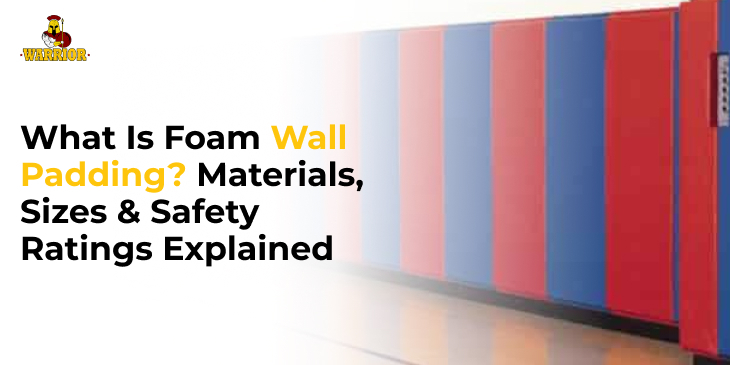
Walls are hard. Accidents happen. When someone falls or bumps into a wall, it can hurt—sometimes a lot. But with foam wall padding, they offer a smart and simple way to make places safer, especially in gyms, schools, sports arenas, therapy centers, and even warehouses.
In this article, we’re going to go over what foam wall padding actually is, why it’s important, and what it’s made of. We’ll also talk about how big the panels are and what safety tests they need to pass. Regardless if you’re setting up a training space or just curious about how facilities stay safe, this read is for you.
What Is Foam Wall Padding and Why Is It Used?
Foam wall padding is a soft-but-tough panel that goes on walls to help protect people from injuries. You’ll often see it in places like basketball courts, martial arts studios, school gymnasiums, and therapy rooms. But it’s not just for sports—many businesses use it for industrial wall protection, too.
Why use it?
Because people sometimes fall, run into walls, or accidentally trip. If the wall is padded, the impact is much softer. That helps prevent bruises, cuts, or worse. In places where kids play or athletes train, it’s an easy way to keep everyone safer.
Where is it used?
- Schools and gyms — to protect students and athletes
- Medical and therapy centers — especially in sensory rooms
- Warehouses and factories — using wall padding for warehouses to shield both people and equipment
- Parking garages or loading bays — using a foam corner guard to soften sharp corners
- Home gyms — for martial arts, boxing, or even just exercise
Wall padding can even be customized. Many places use custom wall padding panels with their team logos or brand colors. That way, safety doesn’t have to look boring!
Key Materials Used in Foam Wall Padding
Foam wall padding might seem simple, but it’s made from several important layers that each do a specific job.
1. The Foam Core (The Soft Part Inside)
This is what makes the padding soft and protective. There are a few different types of foam used:
- Polyethylene (PE) Foam
This foam is firm and keeps its shape well. It’s often used in sports gyms. It absorbs impacts like body bumps and hard throws.
- Polyurethane (PU) Foam
PU foam is softer and spongier. It’s a great choice when you want extra cushioning. Some panels even include a PU foam corner protector for safer corners.
- Neoprene Foam
Neoprene is strong and resists fire. It’s used in places that need extra safety, like hospitals or public arenas.
Each foam has different levels of softness and bounce. That’s why choosing the right one depends on how the space will be used.
2. The Backing Board (The Hard Layer Behind the Foam)
The foam is attached to a strong board that holds the shape. This board is often made of wood or a tough material like plywood. It helps the panel stay flat and firm against the wall.
3. The Vinyl Cover (The Outer Shell You Can See)
This cover wraps around the foam and board. It’s made from thick vinyl that’s easy to clean and hard to rip. It also comes in many colors, so you can match your school, team, or brand.
The vinyl must meet fire safety rules, which means it won’t easily catch fire or melt. This is important in any public space.
Together, these materials create a strong, impact-absorbing wall guard that can protect people from serious injury.
Standard Sizes, Thicknesses & Customization Options
Foam wall padding doesn’t come in just one size or shape. There are several common options—and also custom choices—depending on your space and how much protection you need.
Standard Panel Sizes
Most wall padding panels are rectangular. These are the most common sizes:
- 2 feet wide by 6 feet tall (60 cm × 180 cm)
- 2 feet wide by 8 feet tall (60 cm × 240 cm)
- 4 feet wide by 8 feet tall (120 cm × 240 cm) — often used in large gyms or arenas
These sizes work well for covering long stretches of wall. You can use several panels side by side to protect bigger areas.
Thickness Options
The thickness of the foam makes a big difference. Thicker padding gives more protection, especially for high-impact spaces.
- 1.5 inches (about 4 cm) — for general safety areas
- 2 inches (about 5 cm) — most common for sports and school gyms
- 3 inches (about 7.5 cm) — best for places with more risk, like wrestling rooms or judo studios
Some industrial wall protection areas, like machine zones or loading docks, also use thicker padding to help shield both people and heavy equipment.
Custom Wall Padding Panels
Not every wall is the same. That’s why custom wall padding panels are popular. Some custom padding also includes edge trim or colored tapes to match your design or help seal seams neatly.
You can adjust:
- The size — for tall ceilings or short walls
- The shape — like L-shaped padding or full corner wraps
- The color — match your brand, team, or school
- Add logos — especially in sports arenas or branded commercial spaces
Corners can be tricky too, but don’t worry. You can use a foam corner guard or a PU foam corner protector to make sharp edges safer. These are perfect for warehouses, schools, and any area where people might bump into walls or posts.
No matter if you’re choosing wall padding for warehouses or a small martial arts room, getting the size and shape right is key. That way, the padding works exactly where you need it.
Safety Ratings and Compliance Standards
Now let’s talk about something very important—safety. Foam wall padding isn’t simply looking good. It needs to meet certain safety rules, especially in public or commercial spaces.
Why Safety Ratings Matter
When people fall or hit a wall, the padding needs to soften the impact. That’s where safety ratings come in. These ratings show how well the padding performs during accidents or emergencies, like fire.
Here are the key things to know:
1. Impact Protection (ASTM F2440)
This rating tells you how well the padding absorbs hits. It’s a test created by ASTM (a global safety standards group). Padding with this rating works as an impact-absorbing wall guard.
- It means the foam can reduce the force from a body hitting the wall.
- This is required in many schools, gyms, and sports facilities.
If you’re installing padding where people might run or fall into walls, make sure it meets this standard.
2. Fire Safety (ASTM E84 and NFPA 701)
Fire safety is just as important, especially in large buildings.
- ASTM E84 tests how fast fire spreads on the padding’s surface.
- NFPA 701 tests how the vinyl covering reacts to fire (like melting or dripping).
Most wall pads must meet Class A fire ratings. That means they are safe for use in public places like schools and sports centers.
This is especially important in the UAE, where building safety regulations often require high fire resistance materials.
3. Foam Firmness (IFD Rating)
IFD stands for Indentation Force Deflection. It tells you how soft or firm the foam is.
- A higher IFD number means firmer foam (good for sports).
- A lower IFD number means softer foam (better for therapy or sensory rooms).
Choosing the right firmness depends on how the padding will be used.
What to Look for When Buying
When shopping for foam wall padding, ask to see:
- Certification sheets
- Fire safety ratings
- Impact test results
- Details on foam type and vinyl cover
This info helps you make sure the padding will meet safety rules and keep people protected.
Together, size and safety make a big difference. With the right materials, ratings, and shapes, foam wall padding becomes a strong safety solution for any space—whether it’s a school gym or a busy warehouse.
Conclusion
So now you know: foam wall padding isn’t simply a soft panel on a wall—it’s a smart, layered safety tool used in many places across the UAE and around the world. Whether you’re choosing padding for a sports hall, factory, or special-needs room, understanding the materials and how they work will help you make the right choice.
Ready to make your space safer and stronger? Warrior Wps has a full range of custom padding solutions you can count on. Get in touch today and protect your walls the smart way.
FAQs
1. Can foam wall padding be used outdoors?
Yes, but you’ll need weather-resistant vinyl and foam that can handle moisture and heat.
2. How do you clean foam wall padding?
Use a mild soap and water with a soft cloth. Avoid strong cleaners that may damage the vinyl cover.
3. Can I get padding for corners or poles?
Yes! Products like foam corner guards and PU foam corner protectors are made for just that.
4. How is wall padding installed?
Most panels are mounted using screws, clips, or adhesive. Some use z-clips for easy removal.
5. Is foam wall padding customizable?
Absolutely. You can choose colors, sizes, logos, and even the foam firmness to fit your exact needs.