


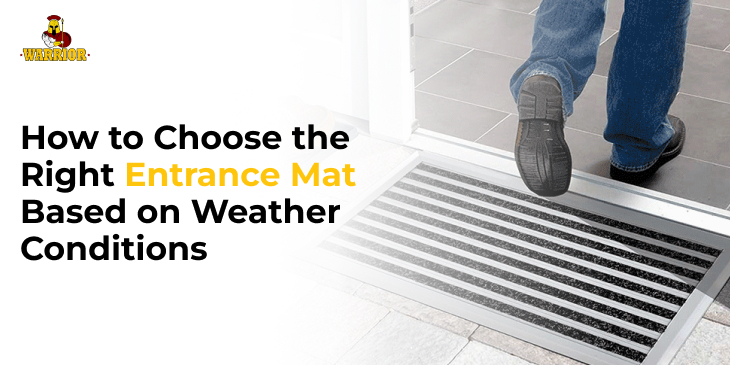
In countries like India, weather changes fast—and it brings a lot with it! Rain, dust, mud, or heat can easily be tracked into buildings, making floors dirty and slippery. That’s why having the right entrance mat is more important than you might think.
Not all mats are the same. Some are better for wet weather, while others are made to handle dust or mud.
But when you choose the right mat based on the weather in your area, it can keep your space cleaner, safer, and even make your floors last longer.
This article will help you understand how different entrance mats for weather protection work in different conditions. You’ll learn what features to look for and why one mat might work better in rain, while another is made for dry, dusty days.
Why One Mat Doesn’t Fit All Climates
It’s easy to think that one entrance mat is enough for every place and every season. But that’s not true—especially in a country like India, where weather can change a lot from one region to another.
Let’s break it down:
- In rainy areas, mats need to absorb water and scrape off mud.
- In dry, dusty places, mats should trap fine dust and sand.
- In snowy or hilly zones, mats must handle melting ice or dirt.
- In high-traffic zones, mats must be strong and stay in place.
Using the wrong mat can cause problems. Wet floors may become slippery. Dust may spread indoors. And cheap mats may wear out fast.
That’s why entrance mats for weather protection are designed to work with the climate, not against it.
Key Features to Consider Based on Weather
Choosing the best entrance mat means looking at how it works with the weather where you live. Here are some important features to look for:
1. Material Matters
Different materials of entrance mats for weather protection work better in different conditions:
- Coir mats (made from coconut fiber) are good for scraping mud and dirt.
- Rubber mats work well in wet areas—they don’t slip and can drain water.
- Polypropylene or nylon mats are great for catching fine dust and drying shoes.
If your area gets a lot of rain, look for the best entrance mats for rain with water-absorbing fibers and slip-resistant backs.
2. Surface Texture
The top of the mat should match the job:
- Rough textures help scrape off mud and debris.
- Soft but firm bristles can absorb water and dust.
- Grooved or patterned mats catch more dirt in heavy foot traffic.
This keeps your floors cleaner and makes the mat more useful all year.
3. Drainage and Drying
Rainy and coastal areas need mats that dry fast. Outdoor entrance mats should have holes or channels to let water flow out easily. This keeps mats from getting soggy or slippery.
4. Weight and Durability
For busy buildings like schools, offices, or malls, mats need to be tough. Heavy-duty entrance mats won’t move around easily. They also last longer, even with a lot of people walking on them every day.
Look for mats labeled as weather-resistant entrance mats. These can handle heat, moisture, and dirt without breaking down.
5. Backing and Safety
The bottom of the mat is just as important. A good mat should not slide or fold. Rubber or vinyl backings work best. They keep the mat in place and help prevent slips.
Don’t forget—mats also help protect your floors from damage. That’s why many buildings use trusted brands like Warrior Wall Protection and safety products.
How to Choose the Right Entrance Mat Based on Weather Conditions
When it comes to keeping your home, shop, or office clean and safe, the type of entrance mat you use makes a big difference. But not all mats work the same in every kind of weather.
Let’s look at what mats work best in different types of weather and conditions.
For Rainy and Wet Weather
Rain brings water, mud, and slippery floors. This is very common during the monsoon in many parts of India. You’ll need mats that help soak up water and stop people from slipping.
Good options:
- PVC entrance mats for wet conditions: These mats are strong and don’t soak in water. Instead, they allow water to pass through, keeping the top surface dry. They’re great for outdoor use or just inside the door.
- Spiral loop mats for moisture control: These mats have a curly design that traps water and mud. They also dry fast and are easy to clean. Place them at doorways to stop water from coming inside.
These mats are perfect for rainy cities like Mumbai, Kochi, or Guwahati. They keep your space dry and reduce cleaning time.
For Snow and Ice (Hill Stations & Cold Areas)
Some parts of India—like Himachal Pradesh or Uttarakhand—get snow and freezing temperatures. Snow turns into slush, which can make floors slippery. In these places, you need mats that can handle extreme cold and stay firm on the ground.
Best pick: Entrance mats for snow and ice: These mats are made from tough materials and often have raised surfaces. They help scrape off snow, ice, and salt from shoes before people step inside. Rubber or thermoplastic mats are good choices because they stay flexible even in cold weather.
They’re ideal for hotels, resorts, or schools in cold-weather regions where keeping snow out is a daily challenge.
For Muddy Areas (Villages, Farms, or Monsoon Zones)
Muddy shoes make a mess. In areas with unpaved roads or frequent rains, you need mats that scrape off mud and hold it.
Entrance mats for muddy conditions: Look for mats with deep grooves or bristles. Coir mats and heavy-duty rubber mats work well here. They clean the bottom of shoes and keep the mud in place so it doesn’t spread inside.
If you live in a rural area or your kids come home after playing in the mud, these mats will make your life easier!
For Busy Places (Malls, Offices, Schools)
In areas where many people walk in and out all day, the mat has to be extra strong. Regular mats won’t last long. You need something durable and easy to clean.
Aluminium mats for high-traffic areas: These are built to last. They can take a lot of weight and movement without wearing down. The metal surface can also handle dirt, dust, and water. Some aluminium mats have carpet strips or rubber inserts for better grip and cleaning.
They are often used in big buildings where looks, safety, and strength all matter.
Bringing It All Together
To pick the best mat, think about two main things:
- What is the weather like in your area?
- How many people use the entrance every day?
Once you know that, it’s easier to choose a mat that fits your needs. Whether you need entrance mats for snow and ice, or spiral loop mats for moisture control, or aluminium mats for high-traffic areas, the right choice will keep your space clean, dry, and safe all year round.
Let your mat do the hard work—so you don’t have to!
Conclusion
Choosing the right entrance mats for weather protection goes beyond looks. It’s about safety, cleanliness, and making your floors last longer. When you match your mat to the weather in your area, you get the best results—less mess, fewer slips, and more comfort.
Regardless if you need a mat for rain, dust, or heavy foot traffic, remember to check the material, design, and durability. And when in doubt, go for quality. Brands like Warrior offer trusted solutions for all kinds of weather and spaces.
Need help choosing the right mat for your space? Explore Warrior’s wide range of entrance and safety mats today!